
Table of Contents
What Is a Balanced Diet?
In simple words, a balanced diet means eating different types of foods in the right amount. Not too much. Not too little.
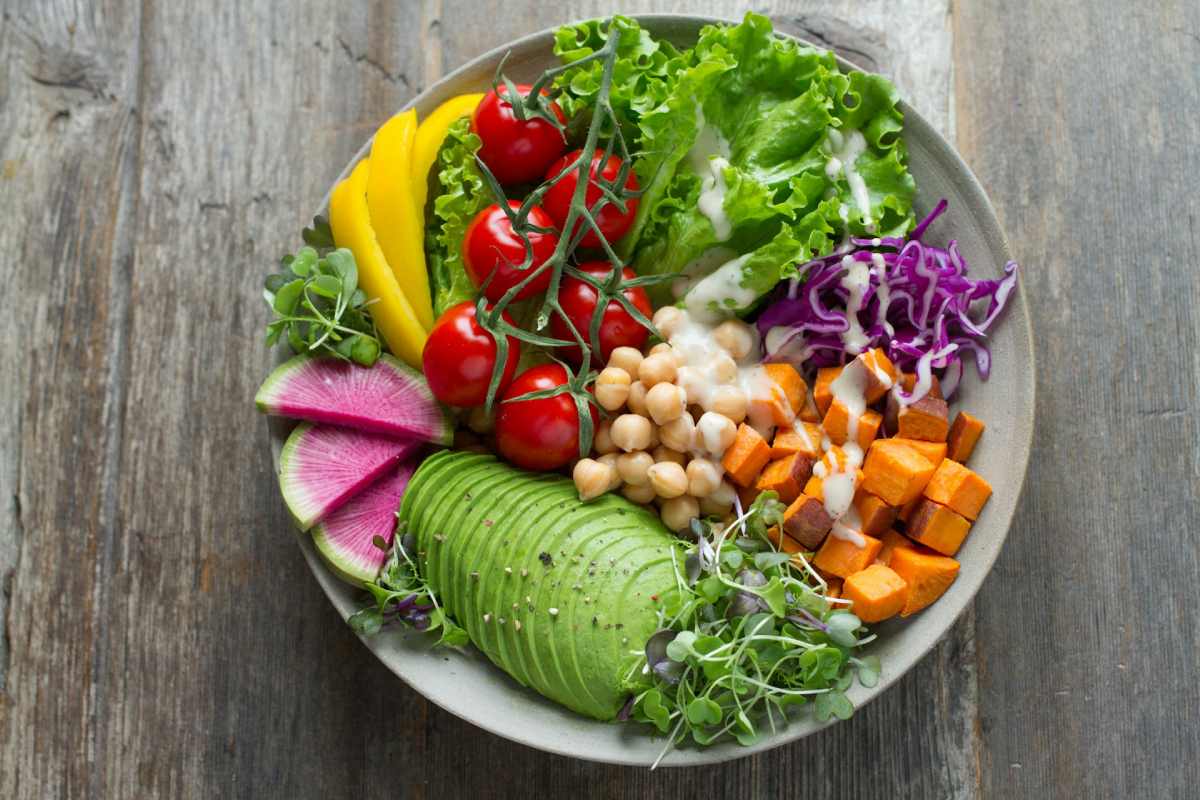
Our body needs many nutrients every day. If we eat only one type of food, the body cannot work properly. When we mix vegetables, fruits, grains, protein, and healthy fats, the body gets full support.
I personally feel a balanced diet is not about strict dieting. It is about eating real food regularly and not skipping important food groups.
Why A Balanced Diet Is Important
A balanced diet helps the body:
-
Stay energetic
-
Build strong muscles
-
Improve immunity
-
Support digestion
-
Maintain healthy weight
-
Reduce disease risk
When people eat too much processed food and less natural food, slowly problems start.
Research from organizations like the World Health Organization shows poor diet is linked with heart disease, diabetes, and obesity worldwide.
Many lifestyle diseases are connected to food habits.
Balanced Diet and Disease Prevention
A healthy diet plays a major role in preventing chronic illness.
Research shows poor eating habits are strongly linked with:
-
heart disease
-
obesity
-
type 2 diabetes
-
high blood pressure
Research from the World Health Organization shows unhealthy diets are a leading risk factor for global disease and mortality.
Main Nutrients In A Balanced Diet
Your daily food should include these:
| Nutrient | Why It Is Important | Food Sources |
|---|---|---|
| Carbohydrates | Energy source | Rice, roti, oats |
| Protein | Muscle repair | Eggs, beans, fish |
| Healthy fats | Brain & hormones | Nuts, seeds |
| Fiber | Digestion | Fruits, vegetables |
| Vitamins | Body functions | All colorful foods |
| Minerals | Bone & blood health | Greens, dairy |
Ideal Balanced Plate
A simple way to understand balance:
| Food Group | % Of Plate |
|---|---|
| Vegetables | 40% |
| Whole grains | 25% |
| Protein | 20% |
| Fruits | 10% |
| Healthy fats | 5% |
This is not strict. It is just an easy visual guide.
Foods To Include In A Balanced Diet
1. Fruits
Fruits give natural sugar, fiber, and vitamins.
Best options:
-
Apple
-
Banana
-
Orange
-
Papaya
-
Berries
Seasonal fruits are always better. They are fresher and more nutritious.
If someone has diabetes, portion control is important. Natural sugar is still sugar.
2. Vegetables
Vegetables are very important. They give vitamins, minerals, and antioxidants.
Try to eat different colors:
| Color | Nutrient Benefit | Example |
|---|---|---|
| Green | Iron, folate | Spinach |
| Orange | Beta-carotene | Carrot |
| Red | Antioxidants | Tomato |
| Purple | Anti-inflammatory | Beetroot |
Dark leafy greens like spinach and broccoli are very powerful for health.
3. Whole Grains
Many people eat white rice and white bread daily. But whole grains are better.
Whole grains contain fiber which supports digestion.
Better options:
-
Brown rice
-
Whole wheat roti
-
Oats
-
Millets
-
Quinoa
Replacing refined flour slowly makes big change.
4. Protein Sources
Protein helps repair tissues and maintain muscles.
Animal Protein
-
Eggs
-
Chicken
-
Fish
-
Curd
Plant Protein
-
Lentils
-
Beans
-
Chickpeas
-
Tofu
-
Nuts
Plant proteins also give fiber.
In my opinion, mixing plant and animal protein works best.
5. Healthy Fats
Many people think all fat is bad. That is not true.
Healthy fats are important for hormones and brain.
Good fats:
-
Almonds
-
Walnuts
-
Flax seeds
-
Olive oil
-
Fatty fish
Avoid trans fats and deep-fried snacks.
Dairy And Alternatives
Dairy gives:
-
Calcium
-
Protein
-
Vitamin D
If someone cannot take milk, alternatives are available:
-
Almond milk
-
Soy milk
-
Oat milk
But check labels for added sugar.
Foods To Avoid Or Limit
| Avoid / Limit | Why |
|---|---|
| Processed food | Low nutrients |
| Sugary drinks | Blood sugar spike |
| Refined flour | Low fiber |
| Excess salt | Blood pressure risk |
| Processed meat | Long-term health risk |
Small changes are enough. No need to remove everything suddenly.
Balanced Diet For Different Age Groups
Children
Need more protein and calcium for growth.
Adults
Need balanced calories and fiber.
Elderly
Need easy-to-digest food, more protein, and vitamin D.
Balanced Diet And Disease Prevention
Studies show healthy eating reduces risk of:
-
Heart disease
-
Type 2 diabetes
-
Obesity
-
High blood pressure
According to the Centers for Disease Control and Prevention, lifestyle changes including diet can prevent many chronic diseases.
Simple Daily Balanced Diet Example
Morning
-
Fruit
-
Nuts
-
Oats or eggs
Lunch
-
1 bowl vegetables
-
1 bowl dal or chicken
-
Brown rice or roti
-
Curd
Evening
-
Green tea
-
Roasted chana
Dinner
-
Light meal
-
Soup + vegetables
-
Small portion grains
Drink 2–3 liters water daily.
Balanced Diet Vs Trend Diets
| Factor | Balanced Diet | Trend Diet |
|---|---|---|
| Long-term | Sustainable | Often temporary |
| Nutrient coverage | Complete | May lack nutrients |
| Safe | Yes | Sometimes extreme |
| Cost | Normal | Sometimes expensive |
In my opinion, simple balanced eating is better than extreme dieting.
Percentage Of Daily Macronutrients
| Nutrient | % Of Daily Calories |
|---|---|
| Carbohydrates | 45–55% |
| Protein | 15–25% |
| Fat | 20–35% |
This may vary depending on age and activity.
Common Mistakes People Make
-
Skipping breakfast
-
Eating too fast
-
Drinking sugary drinks daily
-
Avoiding all fats
-
Eating too little vegetables
Balance is more important than restriction.
Year-Wise Food Change – Modern Trend
| Year | Common Food Habit | Health Impact |
|---|---|---|
| 1990–2000 | Home cooking | Better nutrient intake |
| 2000–2010 | Fast food rise | Weight gain increase |
| 2010–2020 | Sugar drinks | Diabetes cases rise |
| 2020–Present | Health awareness | More plant-based eating |
In my opinion, as processed food increased, lifestyle diseases increased too.
Balanced Diet On Budget – Global View
| Country Type | Affordable Healthy Foods |
|---|---|
| India | Dal, rice, seasonal veg |
| USA | Beans, oats, frozen veg |
| UK | Lentils, eggs, carrots |
| Developing nations | Local grains, legumes |
Healthy food does not need to be expensive.
How To Start Balanced Eating
-
Add one fruit daily
-
Replace white rice 2 times a week
-
Add leafy greens 3 times a week
-
Reduce sugary drinks
-
Drink more water
Small changes give long-term results.
Sample 7-Day Balanced Meal Plan
| Day | Focus |
|---|---|
| Day 1 | Add fruit |
| Day 2 | Add greens |
| Day 3 | Add protein |
| Day 4 | Replace refined grains |
| Day 5 | Add healthy fats |
| Day 6 | Reduce sugar |
| Day 7 | Light dinner |
Balanced Diet Myths
Myth: Carbs are bad
Truth: Whole carbs are important
Myth: Fat makes you fat
Truth: Excess calories cause weight gain
Myth: Healthy food is expensive
Truth: Local seasonal food is affordable
Simple Grocery List For Balanced Diet
-
Spinach
-
Carrot
-
Tomato
-
Banana
-
Apple
-
Lentils
-
Eggs
-
Brown rice
-
Oats
-
Nuts
-
Curd
Balanced Diet: Scientific Insights & Deeper Health Benefits
A balanced diet does more than prevent hunger. It supports the body at every level — from cells to organs to brain function.
Health experts agree that long-term wellness depends on consistent eating habits rather than short-term dieting.
How Nutrition Works Inside the Body
Every organ in the body depends on nutrients to function properly.
-
Carbohydrates provide energy for daily activity.
-
Proteins repair tissues and build muscles.
-
Healthy fats protect organs and regulate hormones.
-
Vitamins and minerals control essential body processes.
-
Antioxidants protect cells from damage.
When nutrition is poor, inflammation increases and disease risk rises over time
Final Thoughts
In my opinion, a balanced diet is not about strict control. It is about simple daily food choices.
Eat fresh.
Eat colorful.
Eat in moderation.
Do not chase perfect diet. Chase consistent habits.
When food is balanced, energy improves, digestion feels better, immunity becomes stronger, and overall health stays stable.
If needed, always speak to a doctor or dietitian for personal advice.
If you want, I can now give:
-
Internal linking suggestions
-
Slug suggestion
-
Higher ranking SEO keyword strategy
-
2nd part deeper research version
-
FAQ section (very good for Google ranking)