
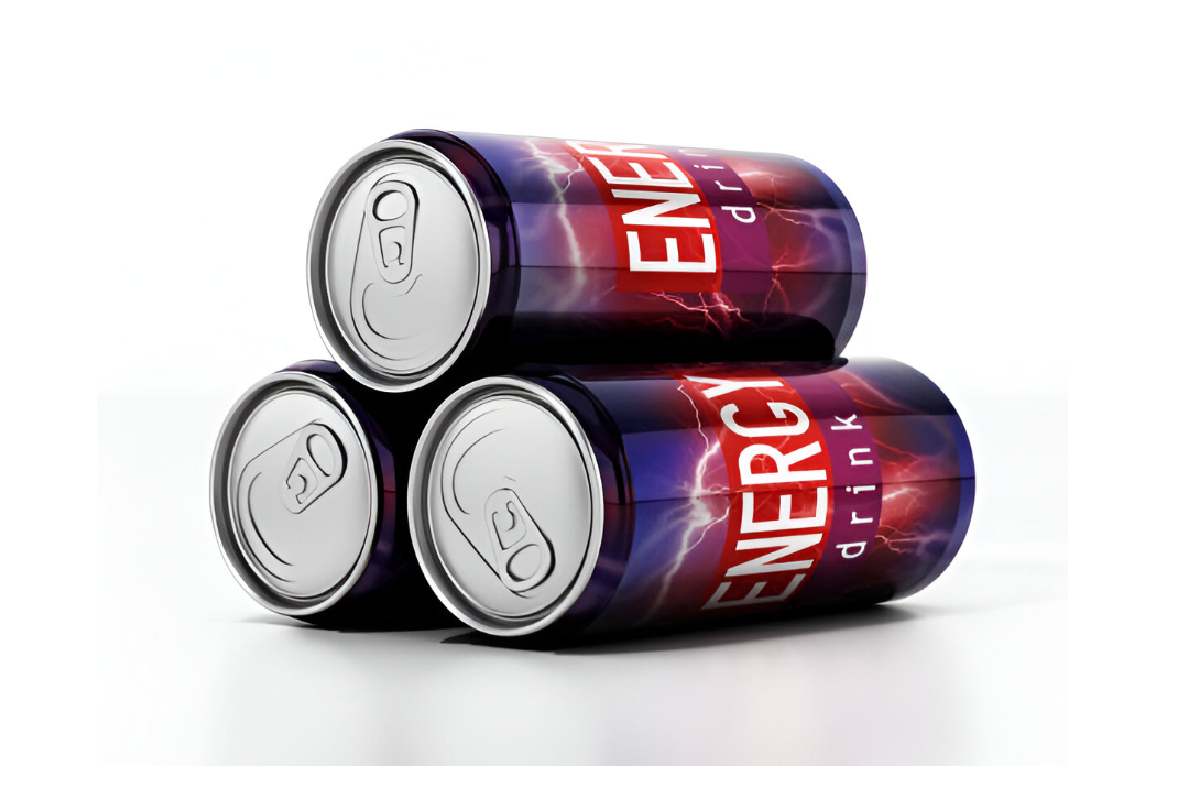
Monster Energy is a popular energy drink that contains caffeine, sugar, and other stimulants. While occasional intake is generally fine for most healthy adults, frequent or heavy consumption raises real health concerns. Understanding the risks helps you decide how often (or if) you should drink it.
Table of Contents
What Happens When You Drink Monster Daily?
In the short term, you may feel more awake, focused, and ready to go. But the effects don’t last long. Many people experience a crash later — tiredness, irritability, or mood swings.
Daily use builds tolerance, so you may need more to feel the same effect. Over time this can lead to higher blood pressure, irregular heartbeat, poor sleep, blood sugar spikes, weight gain, tooth damage, and stomach discomfort.
One regular can of Monster can contain over 50 grams of sugar and around 160 mg of caffeine (roughly equal to four cans of cola). That amount of sugar exceeds the daily recommended limit for many people and can contribute to long-term blood sugar problems. If you already have concerns about blood sugar, our guide on understanding type 2 diabetes explains how high-sugar drinks fit into the bigger picture.
Nutritional Comparison: Monster vs Common Drinks
| Drink | Caffeine (approx.) | Sugar (approx.) | Calories | Notes |
| Monster Energy (16 oz) | 160 mg | 54 g | 210 | High stimulant + high sugar |
| Regular Cola (12 oz) | 34 mg | 39 g | 140 | Lower caffeine |
| Black Coffee (8 oz) | 95 mg | 0 g | 2 | No sugar, moderate caffeine |
| Green Tea (8 oz) | 30–50 mg | 0 g | 0–2 | Lower caffeine, antioxidants |
| Red Bull (8.4 oz) | 80 mg | 27 g | 110 | Lower volume than Monster |
Monster Energy: Boost or Risk?
Short-term benefits
- Temporary focus and energy
- Possible help during workouts
- Quick mental alertness
Longer-term risks
- Anxiety and jitteriness
- Heart strain and higher blood pressure
- Sleep disruption
- Weight gain and sugar dependence
- Mood swings
What’s Inside a Typical Monster Can?
| Ingredient | Approximate Amount | Potential Concern |
| Caffeine | 140–160 mg | Heart rate, sleep, anxiety |
| Sugar | 50–54 g | Blood sugar spikes, weight gain |
| Taurine | 1,000–2,000 mg | Limited long-term human data |
| Guarana / Ginseng | Varies | Extra stimulant effect |
| Artificial colors/flavors | Present | Sensitivity in some people |
Mixing Monster with alcohol is particularly risky because the stimulants can mask how intoxicated you feel, increasing the chance of overdrinking or accidents.
Who Should Be Especially Careful?
| Group | Recommendation | Reason |
| Children & teenagers | Avoid | Affects developing brain and sleep |
| Pregnant women | Avoid | Caffeine can affect the baby |
| People with heart conditions | Limit or avoid | Raises blood pressure and heart rate |
| People with anxiety | Limit or avoid | Can trigger or worsen symptoms |
| Caffeine-sensitive people | Avoid or choose very low amounts | Strong stimulant effect |
Health authorities generally recommend keeping total daily caffeine under 400 mg for healthy adults. Two cans of Monster can already approach or exceed that limit, especially if you also drink coffee or soda.
High caffeine and sugar intake can also affect cholesterol and overall heart health over time. You can learn more about how cholesterol affects heart health.
Safer Alternatives for Steady Energy
| Alternative | Caffeine Level | Sugar | Best For |
| Water + lemon | None | None | Hydration + light refreshment |
| Green tea / Matcha | Low–moderate | None | Calm focus |
| Black coffee | Moderate | None | Alertness without sugar |
| Banana + oat smoothie | None | Natural | Sustained energy |
| Coconut water | None | Low | Electrolytes after activity |
Some people also experiment with lighter drink options. Our article on the Snapple Peach diet looks at one such approach, though any diet change should still be balanced.
Natural habits that support energy without the crash:
- Consistent sleep
- Short walks or light movement
- Proper meals instead of sugar spikes
Conclusion
Monster Energy can give a quick lift, but daily or heavy use carries clear downsides for your heart, sleep, blood sugar, teeth, and mood. Occasional use is unlikely to cause major harm for most healthy adults, but relying on it regularly is not a good long-term strategy.
Read the label, track how much caffeine and sugar you’re getting from all sources, and avoid mixing it with alcohol. When you need energy, healthier alternatives usually serve you better without the crash.