

Table of Contents
Introduction
Many people spend money on creams, serums, facials, and treatments. I also used to think skincare products were the main solution for glowing skin. But over time, I understood something very simple — skin health starts from inside.
What we eat daily shows on our face slowly.
If we eat processed food, sugar, and fried snacks regularly, skin may look dull, oily, or tired. But when we choose fresh and balanced food, skin looks brighter and healthier naturally.
In my opinion, skincare products help from outside. But food works from inside. And inside change lasts longer.
If you already read Balanced Diet and Its Importance, you may know that nutrition affects every organ. Skin is also an organ. So food matters.
This complete master guide will explain:
-
Best foods for different skin types
-
Nutrient % breakdown
-
Global food value comparison
-
Natural foods vs supplements
-
Year-wise food changes
-
Practical daily routine
How Food Affects Skin
Skin needs:
-
Vitamins
-
Minerals
-
Healthy fats
-
Protein
-
Water
When these are missing, skin may show:
-
Acne
-
Dryness
-
Early wrinkles
-
Pigmentation
-
Uneven tone
Skin is like a mirror of your nutrition in your foods. If body lacks nutrients, skin becomes first sign.
Basic Skin Support Breakdown (Approx % Role)
| Nutrient Type | Role in Skin | Importance % |
|---|---|---|
| Hydration | Keeps skin soft | 25% |
| Vitamins | Repair & glow | 20% |
| Healthy fats | Elasticity | 15% |
| Protein | Collagen support | 15% |
| Antioxidants | Anti-aging | 15% |
| Minerals | Acne control | 10% |
These numbers are approximate understanding, not exact medical data.
From my observation, hydration and vitamin intake make biggest visible difference.
You should fix into ONE clean table like this:
| Skin Type | Signs | Needs | Best Foods |
|---|---|---|---|
| Oily | Shiny, acne | Zinc, low sugar | Seeds, greens |
| Dry | Flaky, tight | Omega-3, hydration | Nuts, fish |
| Combination | Oily T-zone | Balanced nutrients | Mixed diet |
| Sensitive | Redness | Simple food | Rice, curd |
| Acne-prone | Breakouts | Probiotics, fiber | Greens, seeds |
| Mature | Fine lines | Vitamin C, protein | Citrus, lentils |
Food does not change your skin in one day. It takes time. But when you eat according to your skin type, the change feels more natural and stays longer. Small right choices every day matter more than quick fixes.
Best Foods That Improve Skin Health
Now let’s go step by step.
Skin-Friendly Fruits and Their Benefits
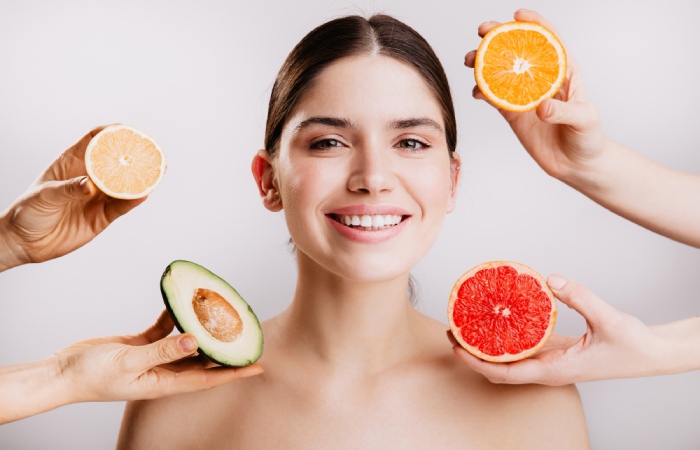
| Fruit | Main Nutrient | Skin Benefit | Best For Skin Type |
|---|---|---|---|
| Orange | Vitamin C | Boosts collagen, brightens skin | Aging, dull skin |
| Papaya | Enzymes + Vitamin A | Clears dead skin cells | Acne-prone |
| Banana | Potassium | Hydrates and softens skin | Dry skin |
| Apple | Antioxidants | Protects from damage | All skin types |
| Pomegranate | Polyphenols | Improves glow | Pigmentation |
| Berries Fruit | Antioxidants + Vitamin C + | Reduces early aging | Skin Mature |
| Watermelon Fruit | Lycopene + Water | Cooling + Hydration + | Sensitive skin |
In my opinion, oranges and berries help the skin look fresh and bright. If your skin is dry, banana and watermelon give natural hydration. Seasonal fruits always feel better and more nourishing.
Nuts and Seeds for Healthy Skin
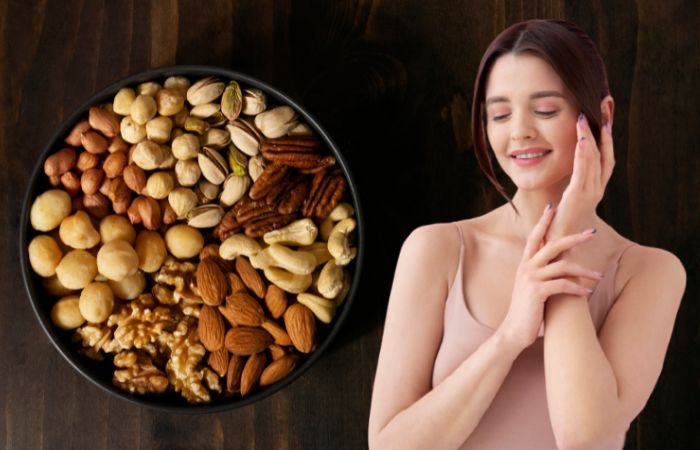
Nuts and seeds are small but powerful. Just a small handful daily can slowly improve skin texture and glow.
They are rich in healthy fats, antioxidants, and minerals that support smoother and softer skin.
| Nut / Seed | Main Nutrient | Skin Benefit | Best For Skin Type |
|---|---|---|---|
| Almonds | Vitamin E | Protects skin, improves softness | Dry skin |
| Walnuts | Omega-3 | Reduces inflammation | Sensitive, acne-prone |
| Chia Seeds | Omega-3 + fiber | Hydration + gut support | Dull skin |
| Flax Seeds | Omega-3 | Reduces redness | Oily skin |
| Pumpkin Seeds | Zinc | Controls acne | Acne-prone |
| Sunflower Seeds | Vitamin E | Protects from damage | Aging skin |
| Sesame Seeds | Calcium + antioxidants | Skin repair | Mature skin |
Almonds and walnuts are easiest to include daily. You do not need large quantity. A small handful (8–10 almonds or 2–3 walnuts) is enough.
Daily Recommended Quantity
| Nut / Seed | Daily Amount |
|---|---|
| Almonds | 6–10 pieces |
| Walnuts | 2–3 pieces |
| Chia Seeds | 1 tablespoon |
| Flax Seeds | 1 tablespoon |
| Pumpkin Seeds | 1 tablespoon |
Budget vs Premium Comparison (Optional)
| Budget Option | Premium Option |
|---|---|
| Peanuts | Almonds |
| Flax seeds | Chia seeds |
| Sunflower seeds | Walnuts |
Even budget options like peanuts and flax seeds give strong benefits. Expensive foods are not always necessary.
Leafy Greens for Clear and Healthy Skin
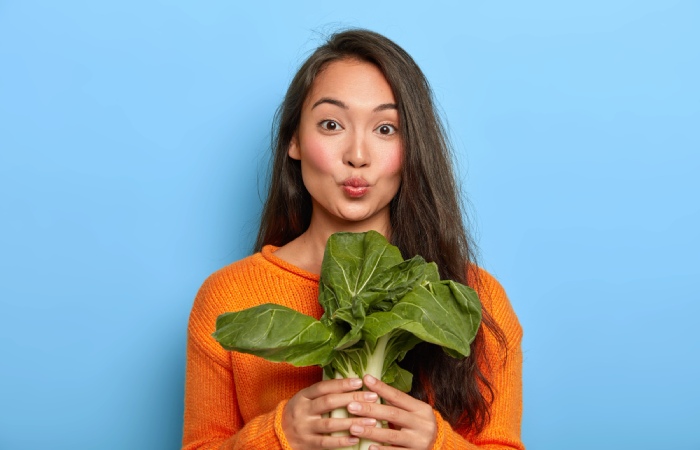
Leafy greens are one of the most underrated skin foods. Many people focus on creams and treatments but forget simple vegetables.
Leafy greens help remove waste from the body and improve nutrient absorption. When digestion improves, skin also improves slowly.
Best Leafy Greens for Skin Health
| Leafy Green | Main Nutrient | Skin Benefit | Best For |
|---|---|---|---|
| Spinach | Iron + Vitamin C | Improves glow | Dull skin |
| Kale | Vitamin A + Antioxidants | Reduces damage | Aging skin |
| Methi (Fenugreek leaves) | Fiber + Iron | Supports gut + skin | Acne-prone |
| Amaranth leaves | Calcium + Vitamin C | Skin repair | Dry skin |
| Lettuce | Water content | Hydration | Sensitive skin |
| Coriander leaves | Detox support | Clears skin | Oily skin |
From what I have seen, adding greens at least 4–5 times a week improves digestion and skin tone more than any quick product.
Why Leafy Greens Improve Skin
Leafy greens help because they:
-
Improve blood circulation
-
Support liver detox function
-
Reduce inflammation
-
Provide antioxidants
-
Improve gut bacteria balance
When combined with a balanced diet and its importance, results are better and more stable.
How to Add Leafy Greens Easily
Simple ways:
-
Add spinach in dal or soup
-
Make green smoothie (spinach + apple)
-
Add methi in chapati
-
Add coriander in salads
-
Lightly sauté greens for dinner
Do not overcook. Overcooking reduces nutrients.
Budget vs Premium Greens
| Budget Options | Premium Options |
|---|---|
| Spinach | Kale |
| Methi | Rocket leaves |
| Amaranth | Baby spinach |
| Coriander | Parsley |
Carrots and Sweet Potatoes
In my opinion, carrots and sweet potatoes are simple but powerful foods for skin. They are not expensive, easy to find, and can be added to daily meals without much effort.
Both are rich in beta-carotene, which the body converts into vitamin A. This nutrient helps support skin repair and keeps skin looking smooth and fresh.
Why They Are Good for Skin
-
Help improve skin tone
-
Support natural glow
-
Protect skin from dullness
-
Support skin repair
-
Help dry and rough skin
When you eat them regularly, they slowly support healthier brighter skin from inside.
Comparison
| Food | Main Nutrient | Skin Benefit | Best For |
|---|---|---|---|
| Carrot | Beta-carotene | Improves glow | Dull skin |
| Sweet Potato | Beta-carotene + Fiber | Skin repair + hydration | Dry skin |
| Both | Vitamin A support | Smooth texture | Uneven skin |
How to Add Them Easily
-
Eat raw carrot as salad
-
Add carrot to soup or curry
-
Boiled sweet potato as evening snack
-
Add mashed sweet potato to chapati dough
In my experience, simple boiled sweet potato with little salt feels better than processed snacks.
Fatty Fish (Salmon, Sardine)
In my opinion, fatty fish like salmon and sardine are very good for skin, especially if your skin feels dry or dull. They contain healthy fats that support skin from inside.
These fish are rich in omega-3 fatty acids, which help keep skin soft and calm.
Why Fatty Fish Help Skin
-
Improve skin hydration
-
Reduce dryness
-
Support skin elasticity
-
Calm redness
-
Help aging skin look healthier
When skin lacks healthy fats, it may look rough or tired. Omega-3 helps balance that.
Simple Comparison
| Fish | Main Nutrient | Skin Benefit | Best For |
|---|---|---|---|
| Salmon | Protein + Omega-3 | Improves elasticity | Skin Aging |
| Sardine | Vitamin D + Omega-3 | Reduces dryness | Dry skin |
| Both | Healthy fats | Soft and smooth texture | Flaky skin |
How to Eat
-
Grilled salmon with vegetables
-
Sardine curry (light oil)
-
Add to salads
-
2–3 times per week is enough
Avoid deep frying. Too much oil removes the benefit.
Vegetarian Alternative
If you do not eat fish, you can choose:
-
Flax seeds
-
Chia seeds
-
Walnuts
They also give plant-based omega-3.
Like I always say, combine healthy fats with a balanced diet and its importance for better long-term skin support.
Curd and Fermented Foods
In my opinion, curd is one of the simplest and most powerful foods for skin. Many people apply it on the face, but eating it regularly can support skin from inside.
Curd and fermented foods improve gut health, and when digestion is better, skin often looks clearer and calmer.
Why They Help Skin
-
Improve digestion
-
Support good bacteria
-
Reduce inflammation
-
Help reduce acne
-
Improve natural glow
Sometimes skin problems are connected to poor digestion. When gut balance improves, skin slowly improves too.
Comparison
| Food | Type | Main Benefit | Best For |
|---|---|---|---|
| Curd | Probiotic | Adds good bacteria | Acne-prone skin |
| Buttermilk | Probiotic | Light digestion support | Oily skin |
| Idli/Dosa batter | Fermented | Supports gut balance | Dull skin |
| Homemade pickles | Natural fermented | Improves digestion | Uneven skin |
How to Use Daily
-
1 small bowl of curd after lunch
-
Buttermilk in afternoon
-
Fermented foods 3–4 times per week
Do not mix curd with very spicy or oily food. Keep it simple.
Natural vs Packaged
In my experience, homemade curd works better than flavored packaged yogurt. Fresh foods for your diet always give more natural results.
When combined with proper nutrition in your foods and a balanced diet, fermented foods can support healthier brighter skin slowly and safely.
Antioxidants and Skin Glow
Antioxidants protect skin from damage caused by:
-
Pollution
-
Sun exposure
-
Stress
Top antioxidant foods:
-
Berries
-
Green tea
-
Dark chocolate (70% cocoa)
-
Spinach
Antioxidant Strength Approx % (Relative Scale)
| Food | Antioxidant Strength |
|---|---|
| Blueberries | 90% |
| Green Tea | 80% |
| Spinach | 70% |
| Dark Chocolate | 60% |
Again, this is general understanding scale.
Foods That Damage Skin
In my opinion, avoiding harmful food is as important as eating good food.
Avoid:
-
Excess sugar
-
Fried foods
-
Processed snacks
-
Sugary drinks
-
Refined flour
These increase:
-
Inflammation
-
Oil production
-
Acne
Natural Foods vs Supplements
| Feature | Natural Foods | Supplements |
|---|---|---|
| Absorption | Slow & steady | Fast |
| Cost | Lower | Higher |
| Safety | High | Depends on brand |
| Long-term use | Good | Not always needed |
Personally, I prefer natural food unless doctor suggests supplements.
Global Cost Comparison (Approx)
| Food | India (Monthly) | US (Monthly) | UK (Monthly) |
|---|---|---|---|
| Citrus Fruits | Low | Medium | Medium |
| Nuts | Medium | Medium | High |
| Salmon | High | Medium | Medium |
| Spinach | Low | Low | Low |
In developing countries, plant-based skin foods are more affordable.
How Long to See Results?
Small glow: 2–3 weeks
Reduced acne: 4–6 weeks
Visible improvement: 2–3 months
Consistency matters.
Best Foods for Each Skin Type
Now let us go deeper. Not every skin type reacts same way to food. In my opinion, choosing food according to skin type gives faster results.
Why These Help:
Zinc helps control oil production.
Fiber improves digestion, which reduces breakouts.
Green tea reduces inflammation.
Oily Skin Support % (Approx)
| Nutrient | Importance % |
|---|---|
| Zinc | 30% |
| Fiber | 25% |
| Antioxidants | 20% |
| Hydration | 15% |
| Omega-3 | 10% |
From what I’ve noticed, reducing sugar alone makes visible change in oily skin.
7-Day Skin Glow Meal Plan (Simple Global Version)
This is not a strict diet. It is just a simple and practical guide. Small daily changes can slowly support healthier brighter skin.
7-Day Simple Plan Table
| Day | What to Do | Example Foods | Skin Benefit |
|---|---|---|---|
| Day 1 | Add citrus fruit in morning | Orange, lemon water, kiwi | Vitamin C for natural glow |
| Day 2 | Add leafy greens in lunch | Spinach, kale, methi, salad | Iron + antioxidants for fresh look |
| Day 3 | Add nuts as evening snack | Almonds, walnuts, sunflower seeds | Healthy fats for smooth skin |
| Day 4 | Replace refined flour with whole grains | Brown rice, oats, whole wheat | Better digestion, less breakouts |
| Day 5 | Add fermented food | Curd, yogurt, kimchi, buttermilk | Supports gut and reduces acne |
| Day 6 | Increase water intake | 2–3 liters water, coconut water | Improves hydration and glow |
| Day 7 | Reduce sugar completely for one day | Avoid sweets, soft drinks | Helps reduce inflammation |
Consistency matters more than perfection. You don’t need expensive products. When nutrition in your foods improves, your skin slowly reflects it.
Seasonal Foods for Better Skin
Eating seasonal food is important.
Summer:
-
Watermelon
-
Cucumber
-
Lemon
-
Coconut water
Winter:
-
Carrots
-
Sweet potatoes
-
Spinach
-
Citrus
Rainy Season:
-
Ginger
-
Garlic
-
Warm soups
Seasonal foods are fresher and more nutrient-rich.
This is why I always suggest focusing on fresh foods for your diet instead of imported packaged superfoods.
Nutrient Breakdown for Skin Health
Below is a simplified % role of nutrients in skin improvement:
| Nutrient | Main Benefit | Skin Role % |
|---|---|---|
| Vitamin C | Collagen | 20% |
| Vitamin A | Repair | 15% |
| Vitamin E | Protection | 15% |
| Omega-3 | Anti-inflammatory | 15% |
| Protein | Structure | 15% |
| Zinc | Oil control | 10% |
| Water | Hydration | 10% |
These are not medical numbers. Just simplified understanding scale.
Country-Wise Skin Food Availability (Global View)
Different countries have different food access.
India
-
Affordable: Spinach, lentils, curd
-
Moderate: Nuts
-
Expensive: Imported berries
USA
-
Affordable: Citrus, apples
-
Moderate: Nuts, salmon
-
Expensive: Organic specialty foods
UK
-
Affordable: Carrots, potatoes
-
Moderate: Fish
-
Expensive: Exotic fruits
In my opinion, you don’t need expensive imported superfoods. Local fruits and vegetables work equally well.
Hydration and Skin
Water is underrated.
Hydration supports:
-
Skin elasticity
-
Glow
-
Reduced dryness
Daily recommended:
2–3 liters depending on body size and climate.
Signs you need more water:
-
Dry lips
-
Dark urine
-
Dull skin
Common Skin Nutrition Mistakes
Many people:
-
Eat fruits but skip protein
-
Take supplements without diet balance
-
Avoid fats completely
-
Drink less water
Balanced eating works better than extreme dieting.
This connects again with balanced diet and its importance. Skin needs overall balance, not single vitamin focus.
Lifestyle Habits That Improve Skin Naturally
Food is main, but lifestyle matters too.
-
Sleep 7–8 hours
-
Manage stress
-
Avoid smoking
-
Limit alcohol
-
Regular movement
Healthy skin is combination of food + habits.
Gut Health and Skin (Deeper Connection)
When digestion is weak:
-
Nutrient absorption reduces
-
Inflammation increases
-
Acne becomes frequent
Probiotic foods improve gut bacteria balance.
From what I have seen, people who improve digestion often see healthier brighter skin within weeks.
Foods That Reduce Pigmentation
Pigmentation can be influenced by:
-
Sun exposure
-
Inflammation
-
Nutrient deficiency
Helpful foods:
-
Vitamin C rich fruits
-
Tomatoes (lycopene)
-
Leafy greens
-
Berries
Consistency matters more than quick results.
Budget vs Premium Skin Foods
| Budget Option | Premium Option |
|---|---|
| Spinach | Kale |
| Sardines | Salmon |
| Peanuts | Almonds |
| Local berries | Imported berries |
Budget options work equally well.