
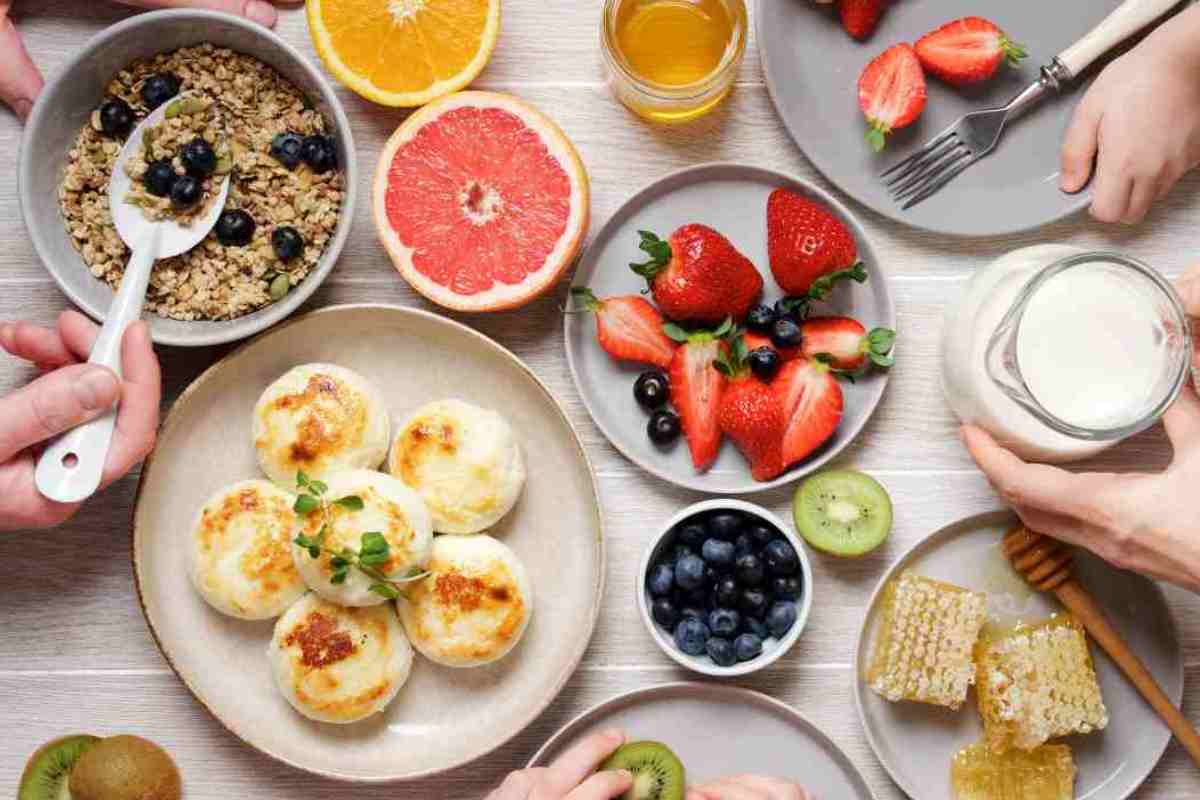
A healthy breakfast is essential to start the day with full energy. Whether it’s fresh fruit, a whole-grain sandwich or homemade muesli – the right morning meal supplies the vitamins, minerals, fibre and protein your body actually needs after the overnight fast.
In my experience, many people either skip breakfast or grab something quick that leaves them hungry again by mid-morning. The difference is noticeable when you choose foods that keep energy steady instead of spiking and crashing. A well-composed breakfast helps stabilise blood sugar, supports concentration, and reduces the urge to reach for less nutritious snacks later in the morning. It is one of the simplest daily habits that can influence how the rest of the day feels.
Healthy Ideas for a Light Breakfast
In addition to the classic breakfast, there are other ways to start the morning in a delicious way. In addition to rolls, crunchy muesli, juicy fruit and creamy quark are also served. And yes: Sometimes it can also be a little sweet.
Here are two practical recipes that work well for most people and can easily fit into a balanced diet.
Chocolate Skyr with Strawberries and Roasted Spelt Crunch
Ingredients for 4 persons:
- 50 g sliced almonds
- 8 tbsp spelt flakes
- 1 pinch of cinnamon powder
- 800 g skyr
- 4 tbsp baking cocoa
- 4 tablespoons erythritol
- 300 grams of strawberries
Preparation:
- Roast the almonds and spelt flakes in a pan without adding any fat until golden, then remove from the pan and mix with the cinnamon. Put aside.
- In a bowl, mix the skyr, cocoa and 3 tbsp erythritol until creamy.
- Wash, trim and slice the strawberries.
- Put the skyr in bowls, garnish with strawberries and serve sprinkled with the spelt and almond mix.
This one feels indulgent but stays light. The skyr gives solid protein, the almonds and spelt add healthy fats and fibre, and the strawberries bring natural sweetness plus vitamin C. It is a good example of how simple ingredients can still support steady energy through the morning. The combination of protein and fibre helps slow digestion, which means you are less likely to feel a sudden drop in energy an hour or two later. The roasted spelt crunch also adds a satisfying texture that makes the bowl more enjoyable and less “diet-like.”
Fitness Sandwich with Hummus, Peppers and Sprouts
Ingredients for 4 servings:
- 265 g chickpeas (can)
- juice of 1 lemon
- 2 tbsp tahini (sesame paste)
- 1 pinch of cumin powder
- 1 tbsp olive oil
- Salt
- pepper
- 8 slices of wholemeal bread
- 1 large red pepper
- 100 g organic sprouts mix
Preparation:
- For the hummus, drain the chickpeas and place them in a tall, narrow container. Add lemon juice, tahini, cumin, and olive oil. Finely puree everything with a hand blender. Season the hummus with salt and pepper.
- Core the peppers, wash and cut into fine strips.
- Wash sprouts and pat dry on a tea towel.
- Spread bread with hummus. Place pepper strips and sprouts on four loaves of bread. Place a piece of bread on top of each and serve.
This sandwich is filling without feeling heavy. Chickpeas and tahini supply plant protein and healthy fats, the wholemeal bread adds fibre, and the peppers plus sprouts bring crunch, colour and extra micronutrients. lso works nicely if you lean toward more plant-based choices on some days. The homemade hummus can be prepared the evening before, which makes assembly in the morning very quick. The combination of complex carbohydrates, protein and healthy fats provides longer-lasting satiety compared with a simple white-bread sandwich or a sweet pastry.
A Few Extra Practical Ideas That Work in Real Life
If you want more variety without complicated cooking, try these quick options:
- Overnight oats with a spoon of nut butter and seasonal fruit
Prepare the oats the night before with milk or a plant-based alternative. In the morning, stir in a spoon of almond or peanut butter and top with whatever fruit is in season. The fibre and healthy fats keep you full for hours. - Soft-boiled or scrambled eggs with a slice of whole-grain toast and a handful of greens
Eggs deliver high-quality protein and important nutrients. Pairing them with whole-grain toast and a few leaves of spinach or rocket adds fibre and micronutrients without much extra effort. - Greek yogurt or skyr topped with berries, a sprinkle of seeds and a little cinnamon
This is one of the fastest options. The protein content of Greek yogurt or skyr is significantly higher than regular yogurt, and the seeds add healthy fats and a pleasant crunch. - A simple smoothie with banana, spinach, a spoon of protein powder or yogurt, and some nuts blended in
A well-balanced smoothie can work as a complete breakfast when it contains protein, fibre and healthy fats. Spinach adds nutrients without changing the taste much, and a handful of nuts or a spoon of nut butter improves satiety. - Whole-grain toast with mashed avocado, a squeeze of lemon and a few cherry tomatoes
Avocado provides healthy fats and fibre. The lemon brightens the flavour and the tomatoes add freshness and a bit of volume. This option is especially convenient when you have only a few minutes.
These keep the focus on fibre, protein and healthy fats – the combination that actually keeps you full longer. Rotating between these ideas throughout the week prevents boredom and makes it easier to stick with the habit.
Bottom Line
If you love breakfast, try starting your day with a nutritious meal.
While breakfast options abound, the best options are high in fibre, protein, healthy fats, vitamins and minerals. Many healthy and nutritious foods and drinks are also easy to prepare in the morning. These include fruit, whole-grain toast, eggs, green tea, coffee and protein shakes.
The goal is not perfection. It is consistency. Choose a few breakfasts you genuinely enjoy and can make without stress. Over time those small choices support better energy, steadier focus and an overall more healthy and natural meal plan throughout the day.
Start with one of the recipes above this week and notice how you feel by mid-morning. That is usually the best feedback you can get. Many people find that once they experience the difference in energy and satiety, returning to the old habit of skipping breakfast or grabbing something quick becomes much less appealing.