
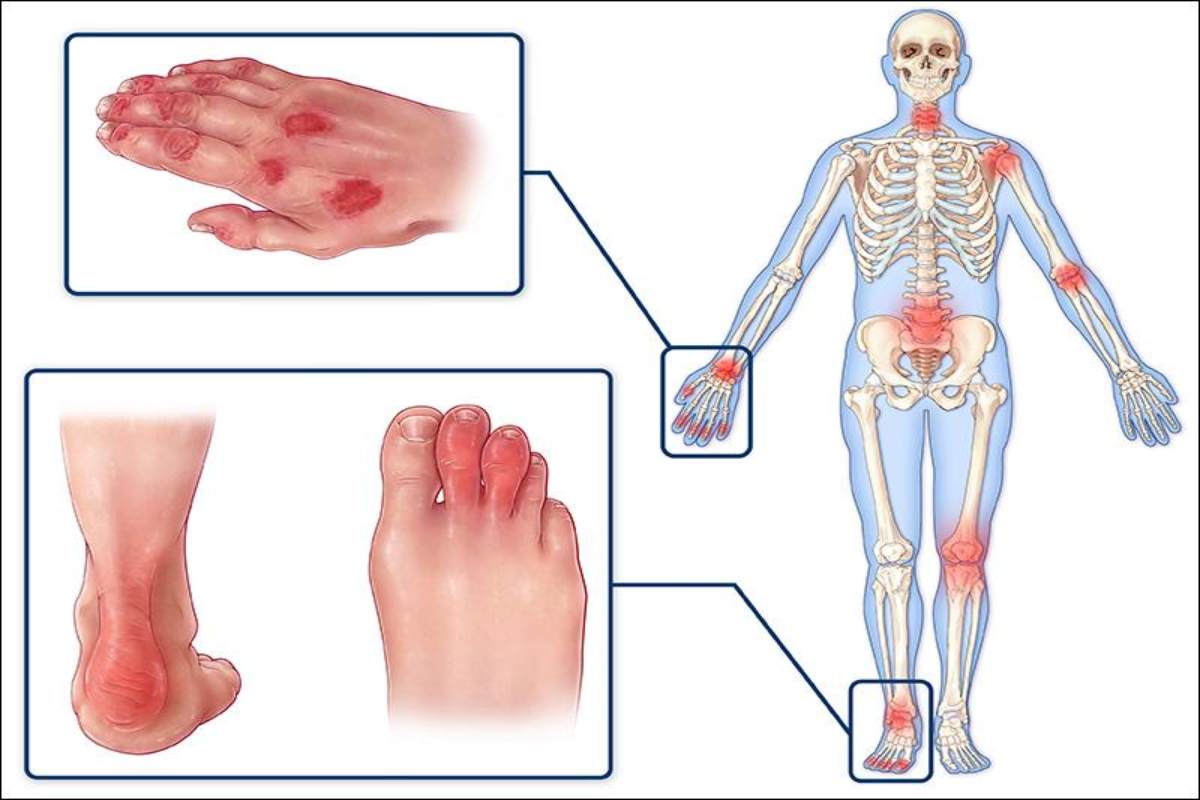
Psoriatic arthritis is a condition where joint pain and swelling happen along with a skin problem called psoriasis. It usually affects people who already have psoriasis, which causes itchy, scaly patches on the skin and scalp. You can find a complete overview in our main guide on psoriatic arthritis (PsA).
This condition doesn’t look the same for everyone. Some people may have mild symptoms, while others can experience more serious joint problems over time. It can affect one or several joints in the body.
If you or someone close to you has been diagnosed with psoriatic arthritis, it’s normal to have questions. Understanding the symptoms, causes, and treatment options can make it easier to manage daily life.
Table of Contents
What Are the Symptoms of Psoriatic Arthritis (PsA)?
The symptoms of PsA are different for each person. They can range from mild to severe. Sometimes the condition goes into remission and you feel better for a while. In other cases, signs may get worse. Symptoms also depend on the type of PsA.
Common Symptoms Include:
- Swollen and painful joints on one or both sides of the body
- Morning stiffness
- Swollen fingers and toes (sometimes called “sausage digits”)
- Sore muscles and tendons
- Scaly patches on the skin that may worsen during joint flares
- Flaky scalp
- Fatigue
- Nail pitting or separation of the nail from the nail bed
- Eye redness or pain (uveitis)
Spondyloarthritis-type PsA can also cause spinal pain and stiffness, along with pain and swelling in the hips, knees, feet, elbows, hands, wrists, and other joints.
Types of Psoriatic Arthritis
| Type | What It Affects | Key Features |
| Symmetric PsA | Five or more joints on both sides | Similar to rheumatoid arthritis |
| Asymmetric PsA | Fewer than five joints, often one side | Most common form |
| Distal PsA | End joints of fingers and toes | Often involves nails |
| Spondylitis | Spine and sacroiliac joints | Back pain and stiffness |
| Arthritis Mutilans | Severe joint damage | Rare, can shorten fingers/toes |
Symptoms at a Glance
| Symptom | Description |
| Joint pain | Swelling, stiffness, reduced movement |
| Skin patches | Red, scaly, itchy areas |
| Nail changes | Pitting, crumbling, or separation |
| Fatigue | Persistent low energy |
| Eye issues | Redness, pain, light sensitivity |
Pain in specific areas such as the shoulders is also common. If shoulder discomfort is a major issue, you may find useful information in our guide on shoulder pain.
What Causes Psoriatic Arthritis?
In PsA, the immune system attacks the joints and skin. Doctors don’t know the exact trigger, but it is believed to come from a combination of genes and environmental factors.
According to the Centers for Disease Control and Prevention (CDC), psoriatic arthritis is linked to both genetic and environmental influences. About 40% of people with the disease have one or more family members with PsA or psoriasis. A virus, extreme stress, or an injury can sometimes trigger the disease in people who are genetically predisposed.
Psoriatic arthritis belongs to a broader group of conditions. You can explore related conditions in our overview of rheumatic diseases, types, symptoms, and causes.
How Is Psoriatic Arthritis Treated?
Treatment aims to reduce symptoms such as rash and joint swelling, prevent joint damage, and improve quality of life. Guidelines recommend a “treat-to-target” approach based on each person’s goals and disease severity.
Common Treatment Options
| Treatment Type | How It Helps | Examples |
| NSAIDs | Reduce pain and swelling | Ibuprofen, naproxen |
| Conventional DMARDs | Slow disease progression | Methotrexate, leflunomide, sulfasalazine |
| Biologic DMARDs | Target specific parts of the immune system | TNF inhibitors, IL-17 & IL-23 inhibitors |
| JAK inhibitors | Oral drugs that block inflammation signals | Tofacitinib and similar |
| Corticosteroid injections | Quick relief in specific joints | Injected into affected joints |
| Topical treatments | Help with skin symptoms | Steroid creams, vitamin D analogs |
Possible Side Effects
- NSAIDs: stomach irritation, bleeding risk, possible heart or kidney effects with long-term use
- DMARDs: liver monitoring needed, infection risk
- Biologics and JAK inhibitors: higher infection risk, regular blood tests required
Latest Treatments for Psoriatic Arthritis
Recent advancements focus on controlling inflammation early to prevent permanent joint damage. Newer options include:
- Biologic drugs that target TNF, IL-17, or IL-23 pathways
- Oral JAK inhibitors for people who prefer pills over injections
- More personalized treatment plans based on disease severity, skin involvement, and patient preference
These approaches have improved long-term outcomes for many people.
Some patients with severe joint damage in the wrists or ankles may eventually need surgical options. You can read more about related procedures in our article on surgery for wrist and ankle injuries.
Quick Summary of Psoriatic Arthritis
| Factor | Details |
| Type | Autoimmune / inflammatory arthritis |
| Main Cause | Immune system dysfunction + genetics |
| Affected Areas | Joints, skin, nails, sometimes eyes and spine |
| Common Symptoms | Joint pain, swelling, skin patches, fatigue |
| Severity | Mild to severe |
| Treatment | NSAIDs, DMARDs, Biologics, lifestyle |
Psoriatic arthritis shares some features with other conditions that affect the spine. If back pain and stiffness are major symptoms, you may also want to learn about ankylosing spondylitis.
Chronic pain from PsA can sometimes contribute to headaches. Practical strategies are available in our guide on how to deal with chronic headache.
Living with Psoriatic Arthritis
Managing PsA usually works best with a combination of medication, regular movement, stress management, and good communication with your rheumatologist. Tracking symptoms, protecting joints during flares, and staying active within your limits can make daily life more manageable.
Conclusion
Psoriatic arthritis is a long-term condition, but many people manage it successfully with the right treatment plan. Early diagnosis, consistent care, and a combination of medication and lifestyle measures give the best chance of controlling symptoms and protecting joint function over time. Work closely with your doctor to find the approach that fits your specific situation.